Most people know that brushing, flossing, and regular dental checkups are essential for a healthy smile. But good oral health also comes down to the everyday habits you may not think twice about. In fact, many dental emergencies happen because people use their teeth as tools or chew on objects that weren’t meant to be in their mouths.
If you want to protect your teeth from unnecessary chips, cracks, and wear, here are a few things your dentist would never put in their mouth—and why you should avoid them, too.
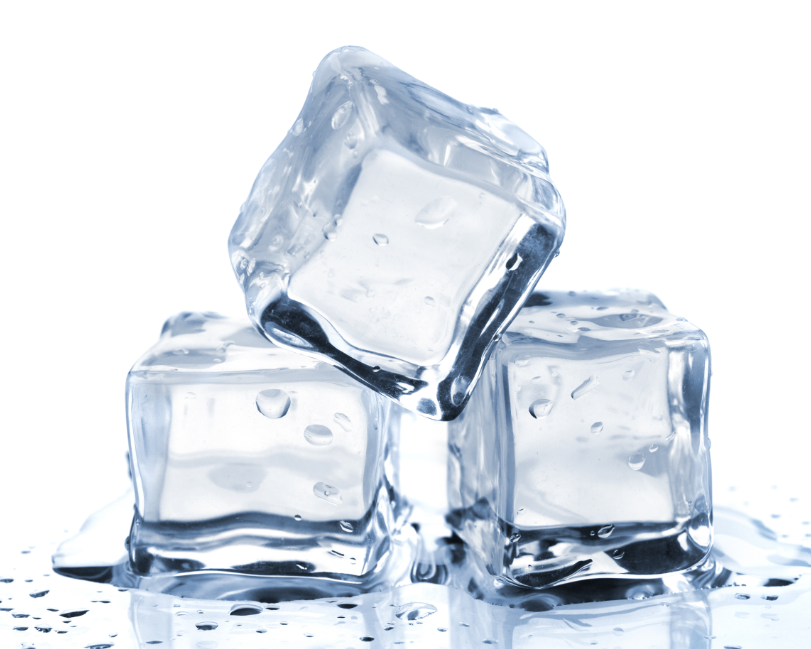
Ice Cubes
Crunching on ice may seem harmless because it’s just frozen water, but ice is surprisingly hard. Biting down on it can chip enamel, crack fillings, or even fracture a tooth.
If you enjoy cold drinks, let the ice melt instead of chewing it.
Pens, Pencils, and Fingernails
Many people chew on pens or bite their nails without even realizing it. Unfortunately, these habits place repeated stress on your teeth and jaw.
Over time, chewing on hard objects can wear down enamel, chip teeth, and increase your risk of jaw discomfort. Nail biting can also introduce bacteria from your hands into your mouth.
Food Packaging
Have you ever used your teeth to tear open a bag of chips or rip through plastic packaging? While it may seem convenient, your teeth aren’t designed to replace scissors.
Using your teeth as tools increases the risk of cracked teeth, broken dental work, and injuries to your gums or lips.
Bottle Caps
Opening a bottle with your teeth might look impressive, but it’s one of the quickest ways to create a dental emergency.
The force required to remove a bottle cap can easily chip or fracture a tooth. It’s always safer—and much less expensive—to reach for a bottle opener instead.
Popcorn Kernels
Popcorn is a favorite snack, but those unpopped kernels can be surprisingly damaging.
Biting into a hard kernel can crack a tooth or damage a filling. Kernel shells can also become trapped beneath the gums, causing irritation until they’re removed.
Take a moment to check your handful before taking a bite.
Sticky and Chewy Candies
Caramel, taffy, and other sticky treats cling to your teeth much longer than other sweets. They not only feed cavity-causing bacteria but can also pull on fillings, crowns, or other dental restorations.
If you indulge occasionally, rinse your mouth with water afterward and brush once appropriate.
Extremely Hard Candy
Hard candies may last a long time, but they can be just as risky as ice.
Biting down on one before it dissolves can lead to chipped or broken teeth. Even if you don’t bite them, the prolonged exposure to sugar gives cavity-causing bacteria more time to do their work.
Toothpicks
While toothpicks can help remove trapped food in some situations, they’re easy to misuse.
Wooden toothpicks can splinter, injure your gums, or break off in your mouth. Dental floss or interdental cleaners are generally safer and more effective for cleaning between your teeth.
Why These Habits Matter
Your enamel is the hardest substance in your body, but it isn’t indestructible. Once it’s chipped or cracked, it can’t grow back on its own.
Avoiding these common habits helps reduce your risk of:
- Chipped or cracked teeth
- Broken fillings or crowns
- Jaw strain
- Gum injuries
- Unexpected dental emergencies
Making small changes to your daily routine can save you time, discomfort, and costly dental treatment down the road.
Protecting your smile isn’t just about brushing and flossing—it’s also about treating your teeth with the care they deserve every day.
About the Practice
At West Maitland Dentistry, Dr. Avni Patel Dhaliwal is dedicated to providing personalized, compassionate dental care that supports both oral and overall health. With more than 15 years of experience, she believes in taking the time to educate patients, answer their questions, and create treatment plans tailored to their individual needs. As a Fellow of the Academy of General Dentistry and an Invisalign-certified provider, Dr. Dhaliwal combines advanced training with a gentle, patient-centered approach to help patients of all ages enjoy healthy, confident smiles. Whether you’re visiting for preventive care or an unexpected dental emergency, the team is committed to making every appointment comfortable and informative.
Call us at (407) 335-4600 or schedule your appointment online.