West Maitland Dentistry Blog

Stop! Don’t Chew on These Things

June 8, 2026

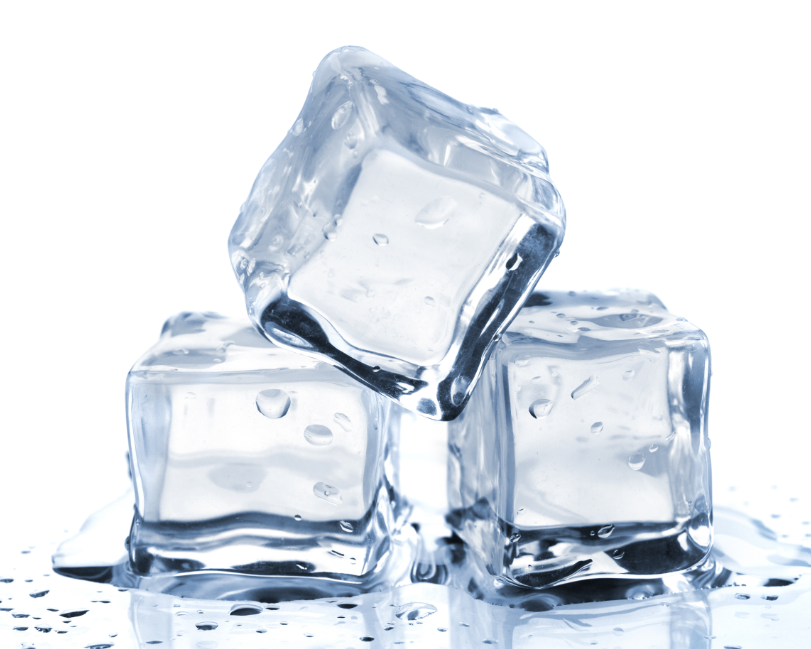
Close up of ice cubes

Most people know that brushing, flossing, and regular dental checkups are essential for a healthy smile. But good oral health also comes down to the everyday habits you may not think twice about. In fact, many dental emergencies happen because people use their teeth as tools or chew on objects that weren’t meant to be in their mouths.

If you want to protect your teeth from unnecessary chips, cracks, and wear, here are a few things your dentist would never put in their mouth—and why you should avoid them, too.

(more…)

How to Handle a Broken Tooth

May 2, 2026

Dentist working on patient with broken tooth.

A broken tooth can happen unexpectedly, whether from biting down on something hard, a sports injury, a fall, or untreated tooth decay. While some fractures may seem minor, any damage to a tooth should be taken seriously. Prompt action can help relieve discomfort, prevent further damage, and improve the chances of saving the tooth.

If you break a tooth, knowing what to do can make a significant difference in the outcome.

(more…)

Mapping Your Mouth: What Are the Different Parts, and What Do They Do?

April 17, 2026

Dentist holding a model mouth while discussing oral health with patient

You use your mouth every single day for things like eating, speaking, and breathing. But have you ever given much thought to how it actually works? Your mouth is far more complex than you might give it credit for. Each system works together perfectly to ensure you can live a happy, healthy life. Continue reading to learn what some of those parts are, what they do, and how they keep your oral health in check.

(more…)

The Importance of Early Detection of Oral Health Issues

April 1, 2026

Dentist showing patient an X-ray.

Maintaining good oral health goes beyond brushing and flossing; it also involves catching problems early before they become more serious. Early detection of oral health issues plays a critical role in preventing discomfort, reducing treatment costs, and protecting your overall well-being.

(more…)

Holiday Snacking Without the Cavities: How to Protect Your Smile This Season

December 29, 2025

The holidays are a time for celebration, comfort foods, and sweet treats – but they’re also one of the most common times of year for cavities to form! From festive cookies to sticky candies and warm drinks, your teeth face extra challenges during the holiday season. The good news? You don’t have to give up your favorite treats to keep your smile healthy. With a few smart habits, you can enjoy holiday snacking without the cavities and protect your smile this season.

Why the Holidays Are Hard on Your Teeth

Sugary and starchy foods feed the bacteria in your mouth, producing acids that weaken enamel and lead to decay. During the holidays, people tend to:

  • Snack more frequently
  • Sip on sugary drinks throughout the day
  • Indulge in sticky sweets that cling to teeth
  • Travel and fall out of normal oral hygiene routines

All of this creates the perfect environment for cavities to develop.

Smile-Smart Holiday Snacking Tips

1. Choose Tooth-Friendly Treats

Not all snacks are bad for your teeth! Some better options include:

  • Cheese and yogurt (help neutralize acids)
  • Nuts and seeds
  • Fresh vegetables
  • Apples and pears (stimulate saliva and help clean teeth)

2. Watch Out for Sticky Sweets

Caramels, taffy, dried fruit, and gummies cling to teeth longer than chocolate and increase cavity risk. If you indulge, be sure to rinse with water afterward.

3. Drink Water Between Treats

Water helps wash away sugars and acids and keeps your mouth hydrated. Bonus points if you drink fluoridated water – it helps strengthen enamel!

4. Sip Smart

Hot cocoa, cider, wine, eggnog, and soda all contain sugars and acids. Try to enjoy them with meals rather than sipping all day.

5. Chew Sugar-Free Gum

Sugar-free gum with xylitol helps stimulate saliva and reduces cavity-causing bacteria after meals when brushing isn’t possible. You can read more on the effects of xylitol on teeth in this article.

Don’t Skip Your Oral Hygiene Routine

Busy schedules and late nights make it easy to cut corners – but brushing and flossing twice a day are essential during the holidays.

  • Brush for two minutes, twice daily with fluoride toothpaste
  • Floss once a day to remove plaque between teeth
  • Don’t forget kids’ brushing routines – they’re at even higher risk for holiday cavities

Schedule a Post-Holiday Dental Visit

The new year is a great time to reset your oral health. A routine dental exam and professional cleaning can:

  • Remove plaque and tartar buildup
  • Catch small cavities early
  • Keep your gums healthy
  • Keep your smile bright for the new year

Enjoy the Season – Without the Toothaches

You deserve to enjoy the holidays without worrying about cavities, pain, or dental emergencies. With smart snacking, good oral habits, and regular dental visits, you can protect your smile while still enjoying every delicious moment of the season.

If you’re due for a cleaning or checkup, schedule your appointment today – we’re here to help keep your smile healthy all year long!

The Connection Between Diabetes and Oral Health: Why a Healthy Smile Matters

November 10, 2025

Your smile says a lot about your health – and for people living with diabetes, it can say even more. The link between diabetes and oral health is strong, but with the right care, you can keep both your smile and your blood sugar in check.

How Diabetes Affects Your Mouth

When blood sugar levels stay high, it can affect your immune system, slow healing, and make your gums more vulnerable to infection. This is why people with diabetes often face certain oral health challenges:

  • Gum Disease (Periodontal Disease):

Diabetes can make it harder to fight bacteria in the mouth, leading to inflamed, bleeding gums and, if untreated, tooth loss.

  • Dry Mouth:

Reduced saliva flow is common with diabetes and increases the risk of cavities and bad breath.

  • Oral Thrush:

Yeast infections in the mouth thrive in high-sugar environments, causing white patches and soreness.

  • Delayed Healing:

Wounds or surgical sites in the mouth may take longer to recover.

The Two-Way Relationship Between Diabetes and Gum Disease

It’s not just that diabetes affects your gums – gum disease can also affect your blood sugar control.

When your gums are inflamed, they release chemicals that can raise blood glucose levels, making it harder to manage diabetes. This means keeping your gums healthy can actually help keep your blood sugar stable.

How to Maintain Oral Health with Diabetes

Here’s how you can protect your smile and manage your diabetes more effectively:

  • Control your blood sugar:

Keeping glucose levels within target range helps your gums stay healthy.

  • Brush twice daily and floss once a day:

Regular brushing and flossing prevent plaque buildup and gum irritation.

  • See your dentist regularly:

Schedule cleanings every 3–6 months. Let your dentist know about your diabetes status and medications.

Redness, bleeding gums, or bad breath shouldn’t be ignored.

  • Avoid tobacco and limit sugary snacks:

Both can worsen gum inflammation and increase infection risk.

The Bottom Line

Your oral health and diabetes are deeply connected. Good blood sugar control supports a healthy mouth – and a healthy mouth can make it easier to manage diabetes.

At West Maitland Dentistry, we’re here to help you maintain your oral health every step of the way. If you have diabetes, be sure to let our team know during your visit so we can provide the best care possible.

📞 Call us today to schedule your next dental cleaning or checkup!

Your smile – and your health –  are worth it.

A Dentist’s Guide to Halloween Candy

October 9, 2025

Halloween is right around the corner – and that means costumes, pumpkins, and of course…  Halloween candy! While it’s perfectly fine to enjoy a few treats, this spooky season can be scary for your teeth if you’re not careful. Here’s how to keep those smiles cavity free while still enjoying the fun.

Choose Your Candy Wisely

Not all sweets are created equal!

  • Best Choices: Chocolate (especially dark chocolate!) – it melts and washes away easily, meaning less time sugar sits on your teeth.
  • Avoid When Possible: Sticky candies like taffy, gummies, and caramel – they cling to your teeth and feed cavity causing bacteria.
  • Watch Out For: Hard candies – they last longer in your mouth and can crack a tooth if you bite down too hard.

Timing Matters

Eat candy with meals, not as random snacks throughout the day.

When you eat, your mouth produces more saliva, which helps rinse away sugar and acid. Constant snacking = constant acid attack.

Brush Before the Ghosts Come Out

After the trick-or-treating fun, make sure your kids brush and floss before bed – no candy residue haunting their teeth overnight!

If you can’t brush right away, rinse with water to help wash away sugar.

Keep Candy in a “Treat Zone”

Let your child pick a few favorites and store the rest out of sight. This teaches moderation and prevents mindless snacking. Some families even do a “Candy Buy-Back” – trading excess candy for a toy or fun experience!

Hydrate Like a Hero

Encourage drinking plenty of water – especially if it’s fluoridated. Water helps neutralize acids and strengthens enamel. Skip sugary drinks that double the sugar exposure.

Visit Your Dentist After the Treats

Halloween is a great reminder to schedule your next dental cleaning or checkup. Your dentist can make sure your teeth are strong and cavity free before the holiday season kicks in.

Final Thought

Halloween candy isn’t the villain – it’s how we handle it. With smart choices, good brushing, and a little planning, your family can enjoy all the spooky sweetness without the post Halloween cavities.

Happy Halloween from our dental family to yours – keep those fangs sparkling! 🦷✨

How Stress Affects Your Dental Health

September 4, 2025

How Stress Affects Your Dental Health

We often think of stress as something that only affects our mood, energy, or sleep. But did you know that stress can also take a toll on your teeth and gums? From jaw pain to gum disease, unmanaged stress can show up in your mouth in surprising ways.  Read the blog below to get more information on how stress affects your dental health.

1. Teeth Grinding (Bruxism)

Stress is one of the leading causes of teeth grinding and jaw clenching. Many people don’t even realize they’re doing it, especially at night. Over time, grinding can:

  • Wear down enamel
  • Cause tooth sensitivity
  • Lead to headaches and jaw pain

➡️ Tip: If you wake up with jaw soreness or notice flat edges on your teeth, ask about a custom night guard at your next dental visit.

2. Jaw Pain & TMJ Disorders

Tension in your jaw muscles can worsen TMJ (temporomandibular joint) problems, causing:

  • Clicking or popping sounds when opening your mouth
  • Difficulty chewing
  • Chronic headaches

➡️ Gentle jaw stretches, relaxation techniques, and a dental evaluation can help relieve symptoms.

3. Gum Health Issues

When you’re stressed, your immune system can weaken, making it harder to fight off gum infections like gingivitis or periodontitis. Studies show that people under chronic stress may experience more gum inflammation and even slower healing after dental procedures.

➡️ Good daily brushing, flossing, and keeping up with cleanings are especially important during stressful times.

4. Dry Mouth

Stress can also affect saliva production, leaving you with dry mouth. Saliva is crucial for rinsing away bacteria and protecting teeth from cavities.

➡️ Stay hydrated, chew sugar-free gum, and check out our blog* about dry mouth.*

5. Canker Sores

Ever notice painful mouth ulcers during stressful weeks? Stress can trigger canker sores, making eating and speaking uncomfortable. While harmless, they’re a sign your body may be overwhelmed.

➡️ Over-the-counter rinses or gels can help ease discomfort until they heal.

Managing Stress for a Healthier Smile

Reducing stress not only helps your overall well-being, it also protects your dental health. Here are some simple strategies:

  • Practice deep breathing or meditation
  • Get regular exercise
  • Maintain a consistent sleep schedule
  • Talk with your dentist if you notice stress-related dental issues

The Bottom Line

Stress doesn’t just live in your mind, it can show up in your mouth. By managing stress and staying consistent with your dental care, you can prevent long-term damage to your dental health.

If you’ve noticed jaw pain, teeth grinding, or gum issues, schedule an appointment with us. We’ll help protect your smile through both preventive care and stress-related treatments.

TikTok Dental Trends: Fun Videos or Harmful Fads? Here’s What Parents Should Know

August 13, 2025

TikTok Dental Trends: Fun Videos or Harmful Fads? Here’s What Parents Should Know

TikTok is full of creative, funny, and even educational videos but when it comes to dental health, not every “hack” you see is safe. In recent years, a number of  TikTok dental trends have gone viral on the platform, with users showing off dramatic transformations or “DIY” solutions. While they may look harmless (or even impressive) on screen, many of these trends can cause serious and lasting damage to teeth and gums.

As dental professionals, we’ve seen an increase in patients, especially teens, trying these at home. Here’s what you should watch out for.

Common TikTok Dental Trends That Can Harm Your Smile

1. DIY Teeth Whitening with Household Products

Videos showing people brushing with baking soda, hydrogen peroxide, lemon juice, or even cleaning products are alarmingly popular. While they may temporarily lighten teeth, these substances can erode enamel, irritate gums, and increase tooth sensitivity.

Safer option: Use ADA-approved whitening products or ask your dentist about professional whitening, which is both effective and safe for enamel.

2. Shaving Teeth for a “Perfect” Smile

Some influencers have filed down their teeth using nail files or other tools to make them look more uniform. This permanently removes protective enamel and can expose nerves, leading to extreme sensitivity, pain, and a lifelong need for crowns or veneers.

Safer option: If you want to reshape your teeth, cosmetic contouring or orthodontics under professional care can safely improve your smile.

3. At-Home Braces or Gap Closures

Some TikTokers use rubber bands, hair elastics, or paper clips to move teeth. These DIY “orthodontics” can cut off blood supply to teeth, cause gum infections, and even lead to tooth loss.

Safer option: Always see a licensed orthodontist or dentist for any tooth movement your bite, jaw health, and gum health depend on it.

4. Charcoal Toothpaste

A TikTok dental trend is the promotion of different products. Promoted as a natural whitening solution, charcoal toothpaste can be highly abrasive. Over time, it can wear away enamel and make teeth more yellow by exposing the darker dentin underneath.

Safer option: Choose toothpaste with the ADA Seal of Acceptance and safe whitening ingredients like low-abrasion silica or peroxide.

Why Teens Are Especially at Risk

Teenagers are more likely to be influenced by social media trends and peer approval, and they may not understand the long-term damage these fads can cause. A few minutes of a viral experiment can undo years of healthy habits and fixing the damage is often costly and permanent.

How Parents Can Help

  • Talk openly about the risks of following health trends online.
  • Encourage fact-checking before trying anything new.
  • Schedule regular dental visits so issues can be addressed early.
  • Lead by example by following safe, professional dental care practices.

Chocolate and Your Teeth: The Truth Behind the Sweet Treat

July 1, 2025

Chocolate is one of the world’s most beloved indulgences—and we get it, we love it too! But many patients wonder: Is chocolate bad for my teeth? The answer might surprise you. Let’s unwrap the facts about chocolate and your teeth.

Is Chocolate Bad for Your Teeth?

Chocolate contains sugar, which feeds harmful bacteria in your mouth. These bacteria produce acids that wear down enamel and can lead to cavities.

BUT—not all chocolate is created equal.

Dark Chocolate vs. Milk Chocolate

Dark chocolate (especially 70% cacao or higher) has several advantages:

  • Less sugar than milk chocolate.
  • Flavonoids and antioxidants that may support gum health.
  • Faster melting in your mouth, which means less time on your teeth.

Milk chocolate has more sugar and often includes added fats and milk solids.

White chocolate contains no actual cocoa solids and the highest sugar content—making it the least tooth-friendly option.

Chocolate vs. Other Sweets

Compared to sticky candies, chocolate is actually less harmful:

  • It melts quickly and doesn’t stick to your teeth as long.
  • It’s easier to rinse away or brush off.
  • It doesn’t typically linger in deep grooves like sticky candies or caramels.

How to Enjoy Chocolate the Tooth-Friendly Way

You don’t have to give it up—just enjoy it smartly:

✔️  Choose dark chocolate when possible

✔️  Eat it in one sitting (rather than snacking all day).

✔️  Rinse with water afterward.

✔️  Brush your teeth 30 minutes later.

✔️  Keep up with regular dental visits.

Our Take: A Little Chocolate is Okay!

At West Maitland Dentistry, we believe in balance. Chocolate in moderation, paired with good oral hygiene, can be part of a healthy lifestyle.

So go ahead—enjoy a square (or two) of dark chocolate. Just don’t forget to show your teeth some love too.

Need a post-sweets cleaning?

Give us a call at 407-335-4600

Invisalign Academy of General Dentistry The University of North Carolina Orlando Magazine Top Dentists 2024 Avni Patel Dhaliwal DDS Selected Top Dentists 2025 Avni Patel Dhaliwal DDS Selected Top Dentists 2026