
Maintaining good oral health goes beyond brushing and flossing; it also involves catching problems early before they become more serious. Early detection of oral health issues plays a critical role in preventing discomfort, reducing treatment costs, and protecting your overall well-being.
Why Early Detection Matters
Many dental problems start small and may not cause noticeable symptoms right away. Conditions like tooth decay and gum disease often develop gradually. Without early intervention, they can progress into more severe issues such as infections, tooth loss, or damage to surrounding structures.
By identifying these problems in their early stages, your dentist can treat them more easily and effectively—often with less invasive procedures.
Preventing Pain and Complications
One of the biggest benefits of early detection is avoiding pain. Small cavities, for example, can usually be treated with a simple filling. If left untreated, they may progress to the point where a root canal or extraction is needed.
Similarly, early-stage gum disease (gingivitis) can often be reversed with improved oral hygiene and professional cleanings. If it advances, it can lead to bone loss and long-term damage.
Lower Treatment Costs
Addressing dental issues early is typically more affordable than treating advanced problems. Preventive care and minor treatments cost significantly less than complex procedures like crowns, implants, or surgery.
Regular dental checkups allow your dentist to monitor your oral health and catch potential issues before they require more extensive—and expensive—treatment.
Supporting Overall Health
Oral health is closely connected to overall health. Infections in the mouth can spread or contribute to other health conditions if not addressed promptly.
For example, untreated gum disease has been linked to systemic health concerns, including heart disease and diabetes complications. Early detection helps reduce these risks and supports your overall well-being.
The Role of Regular Dental Visits
Routine dental exams and cleanings are essential for early detection. During these visits, your dentist can identify signs of decay, gum disease, oral cancer, and other issues that may not be visible or noticeable at home.
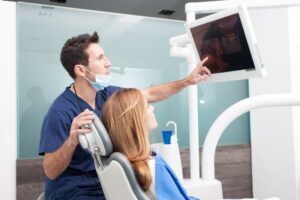
X-rays and professional evaluations provide a more complete picture of your oral health, allowing for timely intervention.
Building Healthy Habits
In addition to regular checkups, maintaining good oral hygiene at home is key. Brushing twice a day, flossing daily, and eating a balanced diet all contribute to preventing dental problems.
Being aware of changes in your mouth—such as sensitivity, bleeding gums, or persistent bad breath—can also help you catch issues early.
Early detection is one of the most powerful tools in maintaining a healthy smile. By staying proactive and consistent with your dental care, you can avoid unnecessary complications and enjoy better long-term results.
About the Author
Dr. Avni Dhaliwal has been practicing dentistry for more than 15 years. She earned her dental degree from the University of North Carolina – Chapel Hill. She has completed an Academy of General Dentistry Fellowship, which entails 500 hours of continuing education as well as a rigorous exam. Today, Dr. Dhaliwal maintains memberships in the American Dental Association, the Florida Dental Association, and the American Academy of Dental Sleep Medicine. If you need excellent preventive care for your teeth, book online with us or call (407) 335-4600.